How Often Should a Landlord Inspect a Rental Property in Ontario? A Collingwood Guide
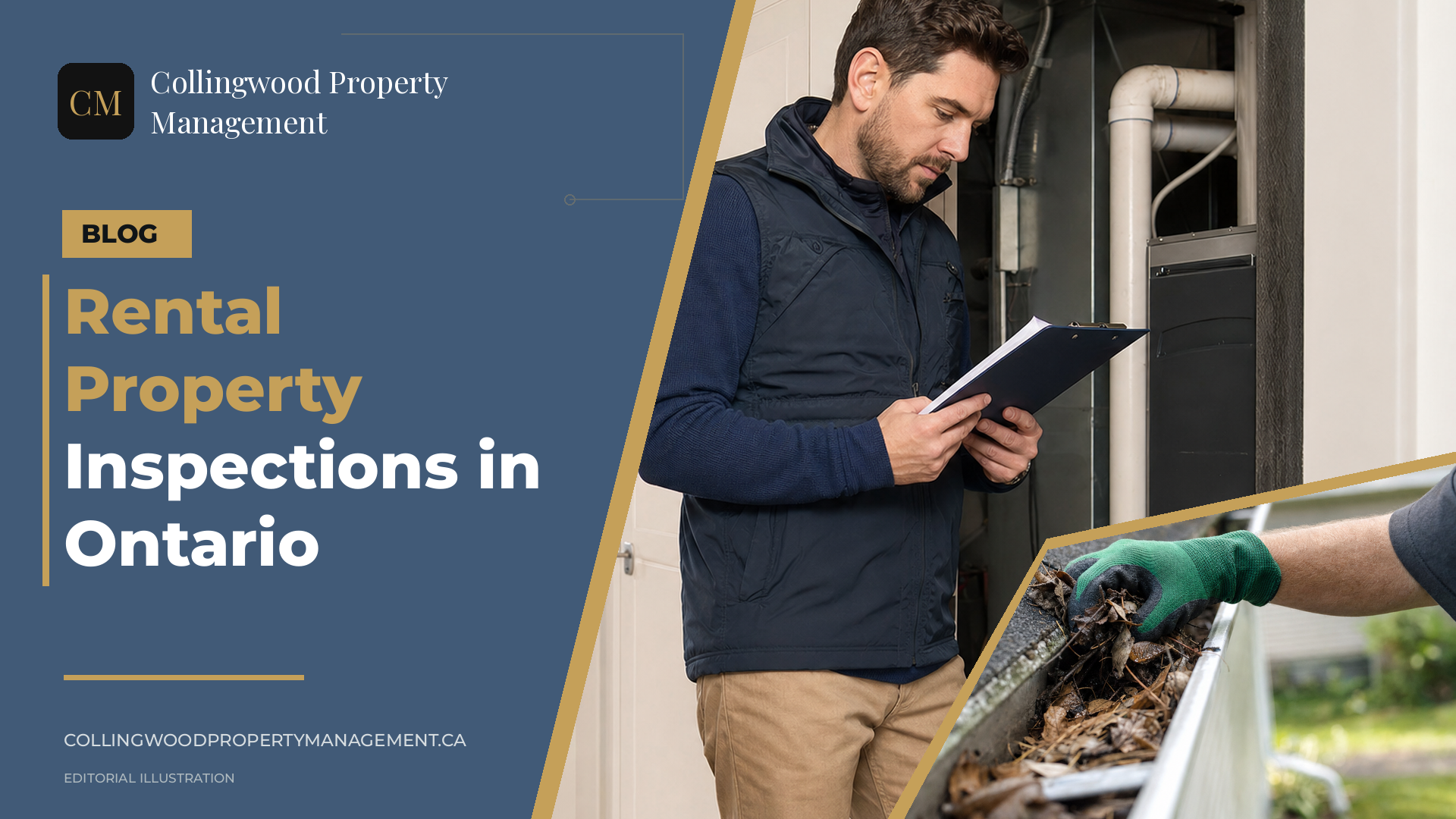
For many long-term rentals, a scheduled inspection every 12 months may be a practical starting point, but Ontario law does not require a fixed annual schedule. The appropriate frequency depends on the property’s condition, repair history, occupancy and legitimate maintenance needs. More frequent entry is not automatically better if it unreasonably interferes with a tenant’s enjoyment of the home.
Landlords should use a documented, risk-based plan: inspect when there is a reasonable property or maintenance purpose, give the required notice, record what was observed and follow up on repairs.
How often should a landlord inspect a rental property?
Ontario’s Residential Tenancies Act, 2006 does not prescribe one inspection interval for every rental unit. A landlord may enter to inspect when the inspection is reasonable and intended to determine whether the unit is in good repair, fit for habitation and compliant with applicable health, safety, housing and maintenance standards. The Residential Tenancies Act and Tribunals Ontario guidance explain the entry rules.
As a practical management approach, an owner might consider:
- Stable, well-maintained property: a periodic inspection, often around once a year, may be sufficient if there are no unresolved concerns.
- Older property or recurring repairs: schedule a follow-up when there is a documented reason, such as unresolved moisture, heating, plumbing or exterior maintenance concerns.
- Recent repair or renovation: arrange a reasonable follow-up to confirm that the work was completed and any remaining issue is assigned.
- Seasonal or vacant property: use an appropriate operational-check plan, while keeping it separate from the entry rules that apply to an occupied long-term tenancy.
These are management options, not legal requirements. The key question is whether the proposed entry has a legitimate purpose and is reasonable in the circumstances.
What does Ontario law require before an inspection?
For a routine inspection, the landlord generally must give the tenant at least 24 hours’ written notice. The notice must state the reason for entry, the date and a specific time between 8 a.m. and 8 p.m. With proper notice, the landlord may be able to enter even if the tenant is not home. See the Tribunals Ontario maintenance and repairs guidance for the notice details.
Entry without the usual written notice may be permitted in limited circumstances, including:
- an emergency;
- the tenant’s consent at the time of entry;
- cleaning where the tenancy agreement requires the landlord to clean at regular intervals; or
- showing the unit to prospective tenants after the tenancy has been terminated or notice of termination has been given, subject to the statutory conditions.
A general inspection clause should not be treated as permission for unlimited access. The landlord remains responsible for complying with the Act and avoiding substantial interference with the tenant’s reasonable enjoyment.
What should determine the inspection schedule?
Before setting a recurring schedule, consider:
- the age, condition and type of property;
- the history of repairs, leaks, heating problems or other recurring issues;
- whether there are known safety or maintenance concerns;
- whether the property is occupied year-round or has periods of vacancy;
- whether a previous inspection created specific follow-up work; and
- whether the proposed visit is necessary or could be handled through a repair appointment or tenant communication.
For example, if a tenant has reported a leaking supply line, an entry to investigate and complete the repair may be appropriate. A second general inspection a few weeks later would need its own reasonable purpose; it should not be scheduled merely because access is available.
What should a landlord check?
Heating, ventilation and plumbing
Review visible signs of leaks, blocked vents, unusual equipment noise, thermostat concerns, poor drainage and unresolved tenant reports. A visual inspection does not replace a qualified contractor or technician where specialized testing or repair is needed.
Moisture and water damage
Look for staining, damaged caulking, condensation, soft drywall, musty odours and water around bathrooms, kitchens, laundry areas, windows and basements. Record the location and apparent condition rather than assuming the cause.
Safety and access
Note visible concerns involving stairs, handrails, locks, lighting, smoke alarms, carbon monoxide alarms and electrical equipment. Where testing, replacement or repair is required, use the applicable requirements and qualified professionals.
Exterior and shared areas
Where the landlord is responsible for them, review entrances, walkways, exterior stairs, drainage, downspouts, fences, parking areas and other common spaces. Assign snow, ice, garbage and other recurring work clearly in the maintenance plan.
Outstanding work
Keep the inspection focused on property condition, safety, maintenance and the tenancy agreement. It should not become a judgment about a tenant’s lifestyle or housekeeping beyond applicable property standards. Record the issue, urgency, responsible party and follow-up date.
How should the landlord give inspection notice?
A useful notice is specific and written. It should include:
- the reason for entry, such as a reasonable inspection to determine whether repairs are needed;
- the date of entry;
- a specific entry time between 8 a.m. and 8 p.m.; and
- any practical information the tenant needs, such as whether a contractor will attend or which areas will be reviewed.
A message such as “I will stop by tomorrow” does not provide the same clarity as a dated notice with a stated time and purpose. Coordinate reasonably with the tenant where possible, but do not replace the statutory requirements with an informal arrangement unless the tenant has actually consented to the entry.
What belongs in an inspection report?
Keep the report factual, dated and tied to action. It may include:
- the property address and inspection date;
- the person who attended and whether the tenant was present;
- the rooms or exterior areas reviewed;
- observed maintenance or safety concerns;
- tenant-reported issues;
- photographs limited to legitimate property-management purposes;
- urgency and recommended next step;
- contractor or vendor assignment; and
- the date for follow-up.
Consistent records help an owner identify recurring repairs, compare conditions over time and confirm whether a maintenance issue was addressed. They should be stored securely and shared only as appropriate for managing the tenancy.
When can a property manager help?
An owner who lives outside Collingwood or has limited availability may need help coordinating notice, access, contractors and follow-up. Maintenance coordination can connect an inspection finding with the next practical step, such as arranging a vendor or monitoring a repair.
Tenant relations support can also help keep inspection notices, repair updates and access questions organized. For owners preparing a property for a new tenancy, property marketing and tenant placement may be relevant services, subject to the owner’s management agreement.
Before engaging a manager, ask:
- How are inspections scheduled and documented?
- How are tenants notified?
- Which repairs can be authorized without prior owner approval?
- How are photographs and reports stored?
- How does follow-up appear in owner reporting?
What if a tenant reports an urgent problem?
An inspection schedule should never replace a clear maintenance-reporting process. Collingwood Property Management’s tenant portal provides a route for maintenance requests. Its live tenant page also identifies an after-hours emergency line for urgent matters such as flooding, no heat and security issues.
For a current tenancy, use the reporting and emergency process that applies to the property. If there is an immediate danger, contact emergency services where appropriate before relying on a routine property-management channel.
Bottom line for Collingwood landlords
There is no single Ontario rule requiring landlords to inspect every rental every season or every year. A reasonable schedule is based on the property’s actual condition and documented maintenance needs. Give proper written notice, keep the visit focused, respect the tenant’s privacy and connect every finding to a clear next step.
If you own a rental in Collingwood or the surrounding Georgian Bay area, contact Collingwood Property Management to request a consultation. Ask for a written scope covering inspection scheduling, notice, maintenance coordination, tenant communication and owner reporting.
Frequently asked questions
How often can a landlord inspect a rental unit in Ontario?
Ontario does not set one fixed inspection frequency. Entry must have a permitted and reasonable purpose, follow the applicable notice rules and avoid unreasonable interference with the tenant’s enjoyment.
Does a landlord need 24 hours’ notice for an inspection?
Generally, yes. For a routine inspection, the landlord normally gives at least 24 hours’ written notice stating the reason, date and specific time between 8 a.m. and 8 p.m. Exceptions can apply, including emergencies and consent.
Is an annual inspection reasonable?
It can be a practical starting point for some stable, well-maintained long-term rentals, but it is not a legal requirement or a suitable answer for every property. The owner should be able to explain the inspection’s purpose and adjust the schedule when the property’s condition changes.
Can a property manager inspect for the owner?
An authorized property manager or representative can coordinate an inspection for the owner, but the same Ontario entry, notice and privacy rules apply.