How to Prepare a Collingwood Rental Property for Winter: A Landlord's Checklist
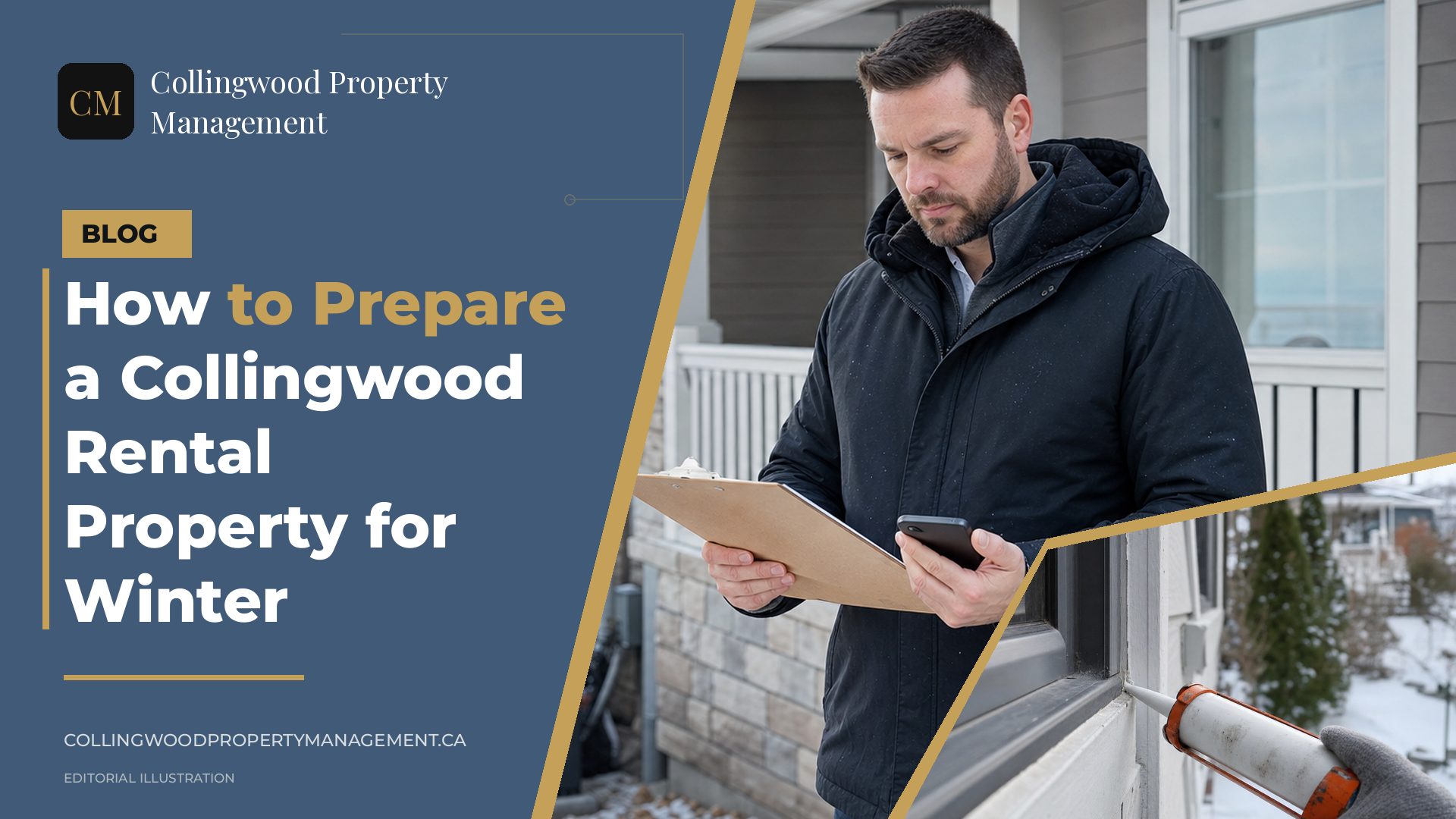
To prepare a Collingwood rental property for winter, document a pre-season inspection, test every heating area, check vulnerable plumbing, assign snow and ice responsibilities, confirm emergency contacts and give tenants written reporting instructions. Start before sustained freezing temperatures, not after a furnace failure or burst pipe.
The checklist below is for planning and coordination. It does not replace the property's lease, insurance policy, municipal requirements or advice from qualified heating, plumbing and electrical contractors.
1. Test the heating system throughout the rental
Run the installed heating system before cold weather arrives and check each room, not only the area near the thermostat. The Landlord and Tenant Board's maintenance guidance says landlords must keep landlord-provided heating systems in working order. Where the landlord provides heat, the guidance also refers to a minimum temperature of 20°C from September 1 to June 15, although a municipal standard may be higher.
- Test the furnace, boiler, heat pump, baseboard heaters or other installed equipment.
- Replace filters where applicable and record the service date.
- Check thermostats, programmable settings and batteries.
- Make sure vents, radiators and baseboards are not blocked by furniture or stored items.
- Note unusual sounds, odours, short cycling or rooms that remain noticeably colder.
- Check that required smoke and carbon monoxide alarms are present and functioning.
- Keep equipment details and the heating contractor's contact information accessible.
If tenants control electric baseboards or another system directly, explain normal operation and confirm who pays the utility cost under the lease. Portable heaters should not be treated as a substitute for repairing the primary heating system. Any temporary equipment should be used only as directed by the manufacturer and kept clear of combustible materials.
2. Look for frozen-pipe risks before the first freeze
Inspect plumbing near exterior walls, crawl spaces, garages, unheated additions, poorly insulated cabinets and other areas that may be exposed to cold air. Look for drafts, missing insulation and gaps around service penetrations. Corrective work should be designed and completed safely for the building rather than handled with a generic instruction to tenants.
Where plumbing is under a sink on an exterior wall, determine whether warm indoor air can reach the pipes. Do not tell tenants to use a space heater, leave water running or alter plumbing without considering the property's design, electrical safety and the contractor's instructions.
For a vacant unit, create a written winterization plan. It may include maintaining heat, arranging visits, monitoring for leaks, protecting water lines or shutting down and draining selected systems. The correct method depends on the plumbing design and insurance requirements, so confirm it with the insurer and appropriate contractors.
3. Prepare the roof drainage and exterior areas
Before snow and ice accumulate, review the parts of the property that can contribute to leaks, falls or access problems:
- Roof surfaces, flashing, vents and signs of previous leaks.
- Eavestroughs and downspouts, including where meltwater discharges.
- Exterior steps, railings, walkways and lighting.
- Driveways, parking areas and drainage routes.
- Doors and windows for failed seals or drafts.
- Outdoor faucets and irrigation connections that should be shut down or drained.
- Trees or branches that could threaten the building, vehicles or walkways.
Write down who is responsible for snow removal and ice control. The lease, property type, municipal rules and service agreement may affect the answer. If a contractor is involved, confirm the service area, trigger conditions, inspection or dispatch process and record-keeping expectations. If a tenant has a limited exterior-care duty, make the arrangement clear and reasonable rather than assumed.
4. Set up an emergency-response process
Decide how a tenant or property representative should respond before an urgent winter problem occurs. The plan should identify:
- The regular maintenance-request route and the after-hours contact route.
- Examples of issues requiring prompt contact, such as a major leak, loss of heat, sewage backup, electrical danger or a burst pipe.
- Who may authorize urgent work and what spending limit applies.
- Who has keys or access if the tenant is away.
- How contractors will receive access and how the owner will receive photos, invoices and an incident summary.
- What immediate steps protect people from danger without attempting unsafe repairs.
Tenants should report loss of heat, water leaks, unusual odours, water stains and frozen plumbing promptly through the designated process. Owners and managers should triage the issue, document the response and follow up until the underlying cause-not just the visible symptom-is addressed.
5. Handle access and tenant communication correctly
Give tenants a short winter information sheet with the maintenance process, emergency contact route, reporting examples and instructions for providing photos, the affected area and the time the problem began.
For non-emergency repairs or a reasonable maintenance inspection, Ontario generally requires at least 24 hours' written notice. The notice must state the reason, date and a specific entry time between 8 a.m. and 8 p.m. The Landlord and Tenant Board's entry guidance explains these requirements and distinguishes emergency entry. If the situation is urgent, obtain current guidance rather than assuming the ordinary notice process applies.
Keep a record of inspection dates, tenant reports, contractor attendance, repairs, invoices and follow-up communications. A clear record helps identify recurring problems, such as one persistently cold room or repeated ice buildup at the same entrance.
6. Review vacant-property and insurance procedures
Before a unit becomes vacant, check the insurance policy for conditions relating to minimum heat, inspections, water shut-offs, alarms and documented visits. These conditions vary by policy and may change when a property is unoccupied or seasonally used.
Confirm who will inspect the property, how often access will occur, how temperature or leak alerts will be handled and who can attend quickly. Keep utilities active where the winterization plan and insurance requirements call for them. Do not rely on a generic online minimum-temperature recommendation when the insurer has written conditions for the property.
7. Decide whether local management support is worthwhile
Winter preparation may be easier to coordinate when the owner has a local maintenance network, a defined emergency process and someone who can communicate with tenants and contractors. Collingwood Property Management publicly lists property maintenance and emergency repairs, legal and regulatory compliance, tenant placement, financial management and rental marketing among its services. The company lists Collingwood, Blue Mountain, Meaford, Stayner, Wasaga Beach, Thornbury, Creemore and Clearview as service areas.
Before signing a management agreement, ask for the written scope: inspection frequency, contractor dispatch, after-hours process, approval limits, snow and ice coordination, owner reporting and vacant-property procedures. Those details matter more than a general promise of support.
For a property-specific discussion, use the verified contact page and describe the property type, occupancy status, heating system, known plumbing risks and the winter support you want included.
Pre-winter checklist
- Test the heating system in every part of the rental.
- Check filters, thermostats, vents and required alarms.
- Inspect exposed plumbing and exterior-wall areas for cold-air exposure.
- Review roof drainage, downspouts, steps, railings, lighting and exterior access.
- Assign snow and ice responsibilities in writing.
- Confirm regular and urgent maintenance contacts.
- Set repair-approval limits and an owner-notification process.
- Give tenants written winter reporting instructions.
- Review insurance requirements for vacant or seasonal properties.
- Record the inspection, repairs, contractor visits and communications.
Plan before the freeze
A useful winter plan is specific to the building: test the equipment, identify vulnerable areas, assign responsibilities and decide how an urgent call will be handled. If you want help coordinating those tasks for a Collingwood-area rental, contact Collingwood Property Management with the property details and the scope of support you need.